Salesforce Commerce Cloud SEO Basics: What You Must Get Right From Day One
SEO Basics for Salesforce Commerce Cloud (SFCC)
Search Engine Optimization (SEO) in Salesforce Commerce Cloud is often treated as “some small SEO tweaks that have to be done prior to production release”.
In practice, this approach creates long-term limitations that are too expensive and sometimes even impossible to fix.
Unlike traditional CMS or other popular eCommerce soultions, SFCC SEO is deeply tied to how the platform is implemented from day one. URL structures, catalog logic, templates, and data models have a huge influence how search engines crawl, index, and rank a Commerce Cloud storefront. If these foundations are not designed with SEO in mind, no amount of content or meta tags optimization can fully compensate for the technical constraints implemented early on.
In this article we are outlining the SEO basics for Salesforce Commerce Cloud straight from our own experience, with a focus on the core architectural decisions the team has to make, that will impact long-term visibility, scalability, and audience reach. It is prepared for the teams evaluating SFCC, businesses already running on the platform and those considering choosing a Salesforce partner responsible for implementation and future growth.
Why SEO in Salesforce Commerce Cloud Is Different
Salesforce Commerce Cloud operates as a fully managed SaaS platform, which fundamentally changes how SEO should be approached compared to other popular commerce solutions, as well as many standard SEO techniques cannot be applied in isolation, because they depend on platform-level decisions rather than page-level tweaks.
In SFCC, key SEO elements such as URL patterns, page rendering logic, canonical tag behavior and catalog hierarchy are controlled through and depend on templates and data models rather than manual content overrides. This means that search visibility is influenced more by architecture than by ongoing editorial actions.
Let’s dive a bit deeper in details: Storefront pages are rendered through a combination of ISML (Internet Store Markup Language) templates, controllers and data relationships defined at the platform level. These exact components determine how URLs are generated, how content is structured in the DOM, and which elements are reusable across categories, products and landing pages. As a result, SEO outcomes are often a direct consequence of template architecture rather than individual content decisions.
Data models play an equally critical role. Product, category, and attribute relationships define how many page variations exist, how they are linked, and how search engines interpret their hierarchy. Poorly designed data models can unintentionally create duplicate content, inconsistent internal linking, and unclear canonical relationships — all of which weaken organic visibility over time.
Another important distinction is overall scale. Commerce Cloud is well known to be used by B2B and enterprise-level businesses with complex catalogs, multiple price books, customer-specific access rules and international storefronts. These scenarios introduce SEO challenges around crawl budget, duplicate contents and indexation that are just not present in smaller setups.
Because of that, SEO in Salesforce Commerce Cloud is not something that can be “fixed later”. It MUST be planned during implementation and continuously supported by the team who understand both technical boundaries and actual requirements for search engines.
Core SEO Challenges in SFCC
In this part we describe core factors which during implementation often lead to indexation issues, diluted rankings, and limited organic growth potential (considering, all of these points are basically mean budget overload proportional to growth scale).
URL Structure Constraints and System IDs
Salesforce Commerce Cloud does not always generate clean, human-readable URLs by default.
For record-based pages such as:
Product Detail Pages (PDP);
Category Pages;
URLs may include system-generated IDs that cannot be fully removed.
Typical pattern example:
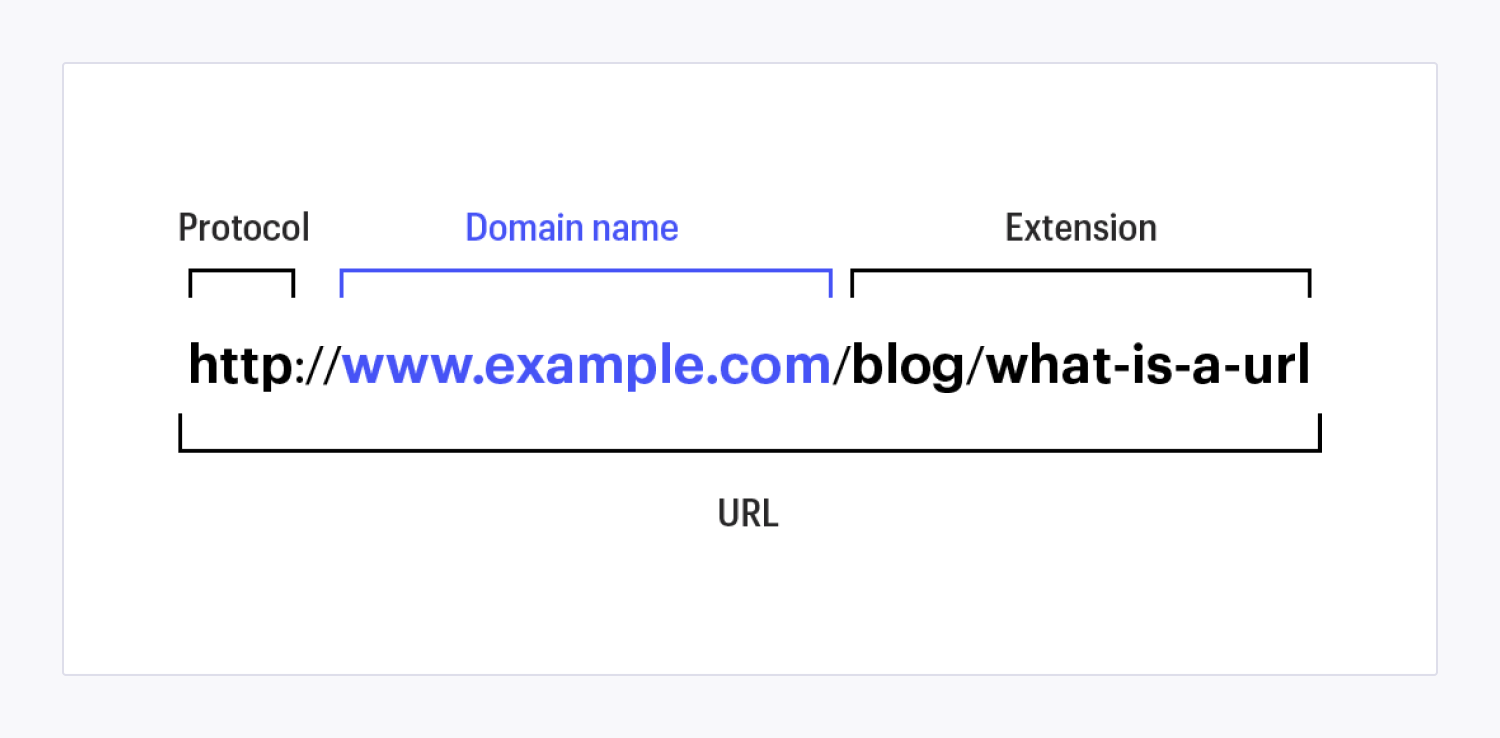
/products/:categoryPath/:productID
Important limitations:
Only a small portion of the URL path (such as categoryPath) can be customized;
Core segments like productID remain immutable;
These constraints apply consistently across environments;
To mitigate this, SFCC allows configuration of canonical URLs per language, but:
Canonicals must be explicitly defined;
Configuration is required for each product and each category;
This becomes operationally expensive in large catalogs if not automated or architected correctly;
Without proper canonical management, system-driven URLs can lead to duplicate content, diluted authority, and unstable indexation.
Meta Tag Control in SFCC
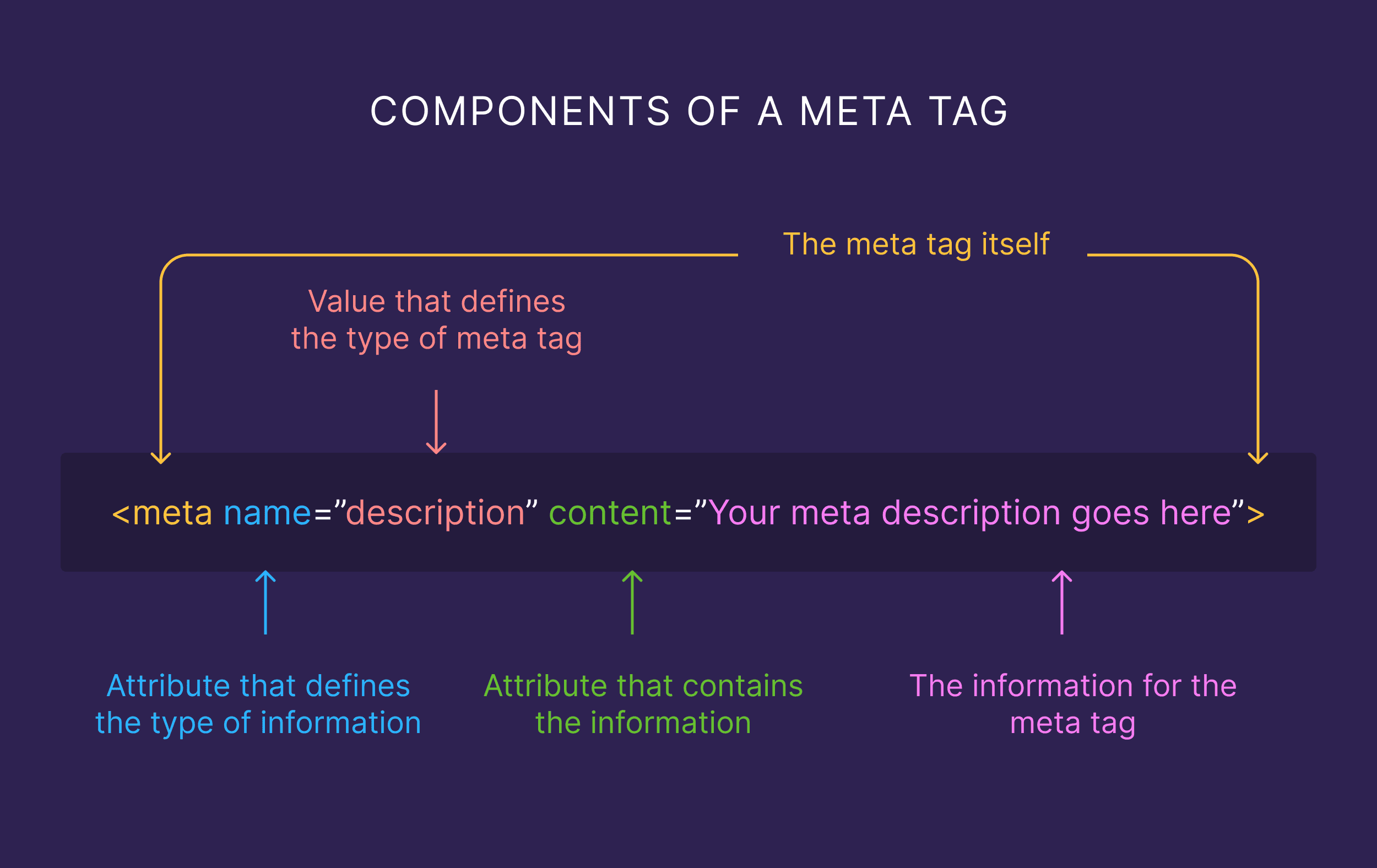
Meta tag management in Salesforce Commerce Cloud follows platform-level rules rather than page-level overrides typical for CMS platforms.
Key constraints include:
Platform-specific meta tags (such as global meta directives) can only be configured once for all pages, not individually.
Title (<title>) and meta description tags, however, can be controlled per page type and support dynamic data injection.
For example:
Product titles and descriptions can dynamically reference product attributes
Category pages can pull data from category names or custom attributes
This makes template logic critically important. If dynamic meta rendering is not implemented correctly at the template level, large portions of the site may share poorly optimized or duplicated metadata.
Indexation and Crawl Budget Control
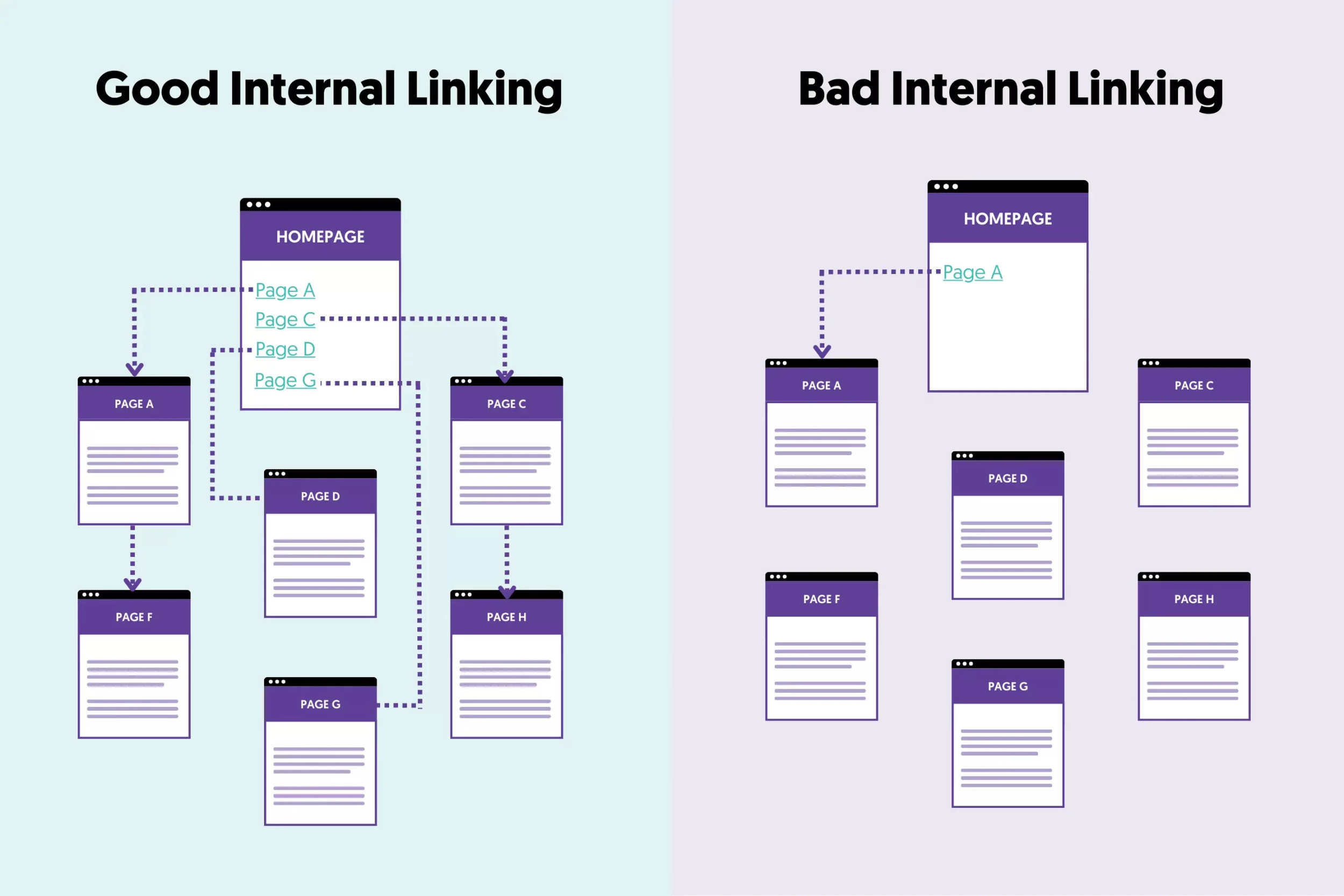
Enterprise and B2B Commerce Cloud projects often generate a large number of URLs, many of which should never be indexed (customer-specific catalogs, gated pricing pages and internal navigation paths as an example).
Effective crawl budged management in SFCC depends on:
correct use of robots directives;
consistent canonical logic;
controlled generation of URLs at the platform level;
As you have already guessed - these decisions cannot be easily reversed after launch.
Robots.txt Implementation in Salesforce Commerce Cloud
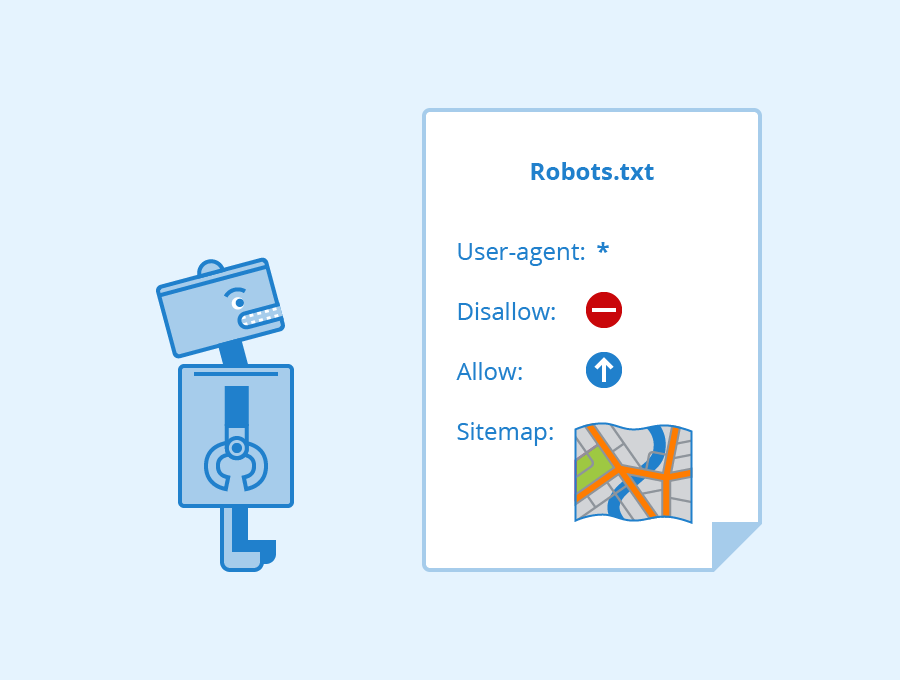
In SFCC, robots.txt is not a static file managed at the server or repository level.
Instead:
Robots directives are implemented via a Visualforce page;
This page defines which URLs or patterns should or should not be indexed;
Because of this setup:
Robots rules are tightly coupled to platform configuration;
Mistakes in implementation can unintentionally expose or block large sections of the site;
Post-launch changes require development involvement and validation across environments;
As with other SEO fundamentals in SFCC, robots logic must be designed during implementation rather than retrofitted later.
Page Rendering and Performance Constraints
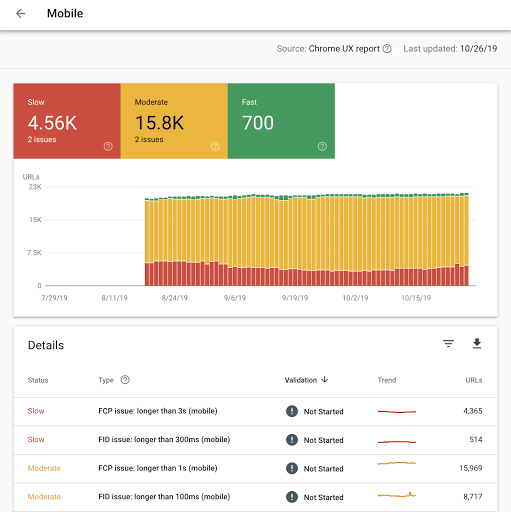
Although SFCC is optimized for scalability, page perfomance and rendering behavior still play a significant role in SEO outcomes. Template complexity, data fetching logic and personalization rules can (and believe me, WILL) impact load times and Core Web Vitals.
Because performance tuning often requires changes to templates and backend logic, SEO and development considerations must align early. Treating performance as a post-launch optimization frequently results in trade-offs that limit both user experience and search visibility as well as constant unnecessary maintenance of the platform.
B2B Catalogs and Restricted Content
B2B platfroms usually introduce additional SEO complexity due to specific catalogs, contract pricing, and sometimes restricted access to certain content. From a search engine’s perspective, this can create complexities around which pages should be indexed and how authority will be distributed. B2B-specific logic likes to unintentionally block search engines from valuable content and expose duplicates of the same products and categories.
A clear separation between public, indexable content and customer-specific functionality is essential for maintaining organic visibility in B2B Commerce Cloud projects.
Additional Core SEO Constraints Specific to SFCC
Sitemap Generation Limitations
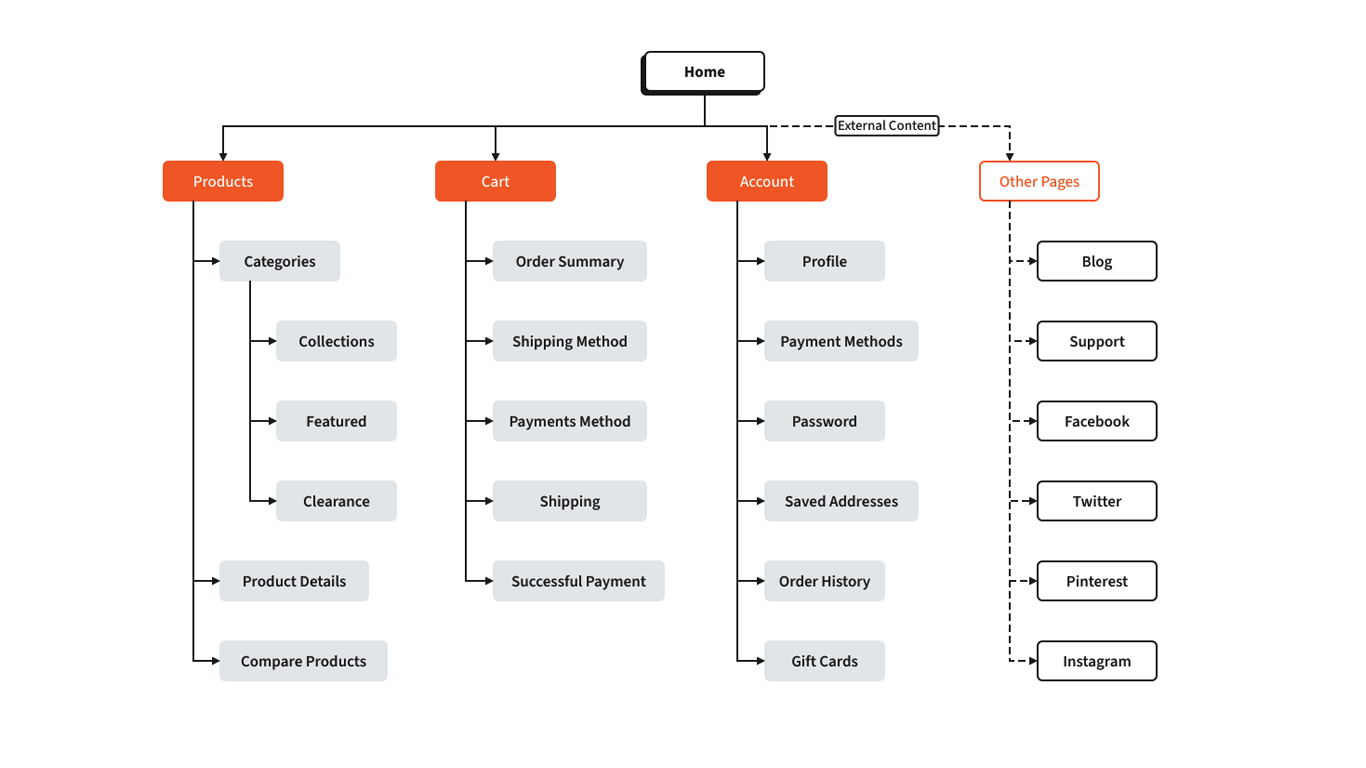
Unlike many CMS or open-source commerce platforms, Salesforce Commerce Cloud does not provide full manual control over sitemap generation.
Sitemaps are generated automatically by the platform based on internal configuration and data visibility rules.
This means:
SEO teams cannot freely curate sitemap contents at the page level.
Inclusion or exclusion of URLs is indirectly controlled through catalog visibility, indexation rules, and platform logic rather than manual sitemap editing.
Errors or structural issues introduced during implementation propagate directly into the sitemap and cannot be quickly corrected post-launch.
As a result, sitemap behavior must be considered during architectural planning, not treated as a later SEO task.
Guest User Indexation Model
Search engine crawling and indexation in SFCC always occur under the guest user context. Search engines only see what an unauthenticated visitor can access.
This introduces a critical dependency:
Only public, guest-accessible pages can be indexed
If guest browsing is disabled, search engines will index only the login page, effectively blocking organic visibility across the storefront
For B2B and restricted-access projects, this is a frequent failure point. Guest access must be deliberately designed to expose indexable catalog and content pages while keeping customer-specific functionality protected.
Why SFCC SEO Starts With Implementation, Not Content
At the development phase, teams establish the core building blocks of the platform: catalog structure, URL logic, template hierarchy, data relationships and environment configuration. Each of the elements directly influences indexation, internal linking and search engines crawling efficiency.
For example catalog design impacts how many category and product pages exist, how these are nested and which pages carry the most authority. URL and routing determine whether search engines see a clean, consistent structure or a random set of parameter-based variations. Template logic in that way controls how metadata, canonical tags and structured content will be rendered across the site.
In many SFCC projects, architectural adjustments right in production stage require refactoring templates, reworking data models, and retesting integrations after new changes applied which leads to unavoidable risks and delays.
This is why treating SEO as a post-implementation task in Salesforce Commerce Cloud is a common and costly mistake. While content optimization and ongoing improvements remain important, they cannot compensate for structural limitations introduced during implementation. For businesses planning long-term growth, SEO must be considered a foundational requirement, not an optional enhancement.
The Role of a Salesforce Partner in SEO Success
The impact of Salesforce partner extends far beyond delivery timelines and features implementation. The partner’s understanding of platform architecture directly influences everything we discussed above.
In common web platforms SEO usually can be delegated to a separate team after launch, SFCC otherwise requires close alignment between development, architecture and search optimization. A partner with hands-on Commerce Cloud experience should understand how all the principles work together and how these will affect organic visibility.
Special importance is for B2B and Enterprise environments, where projects involve comples structure. So experienced Salesforce partner anticipates all the challenges during implementation and designs solutions that balance business requirements with search engine behavior. This includes defining clean routing logic, enforcing consistent canonical rules, and ensuring that public, indexable content is clearly separated from restricted or personalized functionality.
The difference between a generic (and commonly the cheapest) implementation and one with an experienced partner is rarely visible immediately after launch. However, it becomes evident over time as the platform scales, catalogs grow, and organic traffic either compounds or stagnates.
It’s logically correct even without all the information discussed, but choosing a Salesforce partner with proven Commerce Cloud expertise helps ensure that SEO is embedded into the foundation of the project, supporting sustainable growth rather than limiting it.
SEO Best Practices for SFCC (At a High Level)
Effective SEO in Salesforce Commerce Cloud depends on a small set of platform-level practices applied consistently across templates and data models.
URL structures should remain clean and stable, with a single canonical version defined for each category and product page. Parameter-based variations must be controlled to prevent duplicate content and fragmented ranking signals.
Canonical logic should reflect catalog hierarchy rather than navigation paths or user-specific views. Inconsistent canonicals are a common cause of unintended indexation and weakened authority of core pages.
Storefront performance also matters. While infrastructure is managed by the platform, template complexity and data fetching logic directly impact rendering behavior and Core Web Vitals, influencing both user experience and search visibility.
Indexation rules must clearly separate public, search-visible content from restricted or customer-specific functionality. This is especially critical in B2B implementations, where personalization can easily interfere with organic visibility.
Together, these practices create a scalable SEO foundation that supports long-term growth as the Commerce Cloud implementation evolves.
Preparing SFCC for Long-Term Audience Reach
Audience reach becomes closely connected to data integration. When Commerce Cloud is aligned with the broader Salesforce ecosystem, including Customer 360, businesses gain a unified view of customer behavior across channels. This enables more accurate segmentation, consistent messaging, and better-informed decisions around content and storefront structure.
Conclusion
Salesforce Commerce Cloud has great features for B2B and enterprise commerce, but how well it works for SEO depends on how well it is set up, and not on changes made after launch. The way search engines work with the platform is affected by templates, data models, catalog structure, and routing logic.
For businesses planning long-term growth, SEO must be considered at the implementation stage and supported by the team who understand both Commerce Cloud architecture and search engine behavior. Choosing the right Salesforce partner helps ensure that SEO is embedded into the foundation of the project, enabling scalable growth and consistent audience reach over time.